Ours, like many other house holds in Canada, was gifted an instantpot for Christmas. If you've known me for a long time or have been reading my blog or following my social media posts you'll know I'm a huge pressure cooker fan, so this seems the natural progression, a pressure cooker that is automated, that doesn't require "supervision".
I decided tonight was the night to try it out. Mid-morning I took a small chicken out of the freezer. Unsure of its fate. Around 4:30 it was still quite frozen and I wondered if I was pushing my inaugural instant pot experience limits a bit. I figured I'd learn more from trial and error than spending an eternity gleaning from blogs, or the manual.
I typically make fricot, in a stock pot, stove top, 1-2 times per month. I learned the basic art from a boyfriend in my late teens and more recently mastered the addition of dumplings by following an authentic recipe from an Acadian friend from Cocogne. I browsed This blog post by Mommypotamus quickly, to get an idea about how to transition my fricot to the "instantpot" world.
I quite literally threw the following into the pot in this order:
2 unpeeled carrots chopped
2 medium unpeeled white potatoes chopped
2 stalks celery chopped
1 medium peeled white onion chopped
A smallish chicken
3 cloves garlic
1 tbsp summer savoury
1 tsp kosher salt
5 cups of water.
I closed the lid, made sure the steam vent was closed and pressed "soup". It seemed too simple and much too quiet so I flipped to the pressure cooker section of my manual. Everything seemed to be As instructed, and the valve was raised so I figured it was working. Eventually the timer started counting down from 30. After about an hour and a half total, the natural pressure release was complete, and I opened the pot a bit nervously, picturing a half cooked carcass. What I found was; chicken cooked to perfection in a delicious smelling broth- it worked. I "fished" the chicken out into a plate and pulled it apart with my fingers and a fork, returning the pulled meat to the pot (saving the bones for my next project- bone broth). Finally, I gave it all a good stir & voila; started to ladle it out to my family.
My hubby & I both agreed it was the best fricot I've ever made. The broth was so rich, so flavourful. My son was a little disappointed because I hadn't added dumplings this time around. I'll have to figure those out for next time. I'm thinking I'll make them simultaneously, stove top, in a portion of frozen bone broth.
Please let me know if you make some yourself, any tips or feedback much appreciated.
Thursday, 28 December 2017

Monday, 11 April 2016
3 Steps to Strong Springtime Immunity

It's almost mid-April and winter is finally waving goodbye. Our days are warming up, there are ample puddles to jump in, and we can almost dig our hands into the dirt.
3 Simple ways to keep your family healthy during this seasonal transition:
1. Embrace warmth.
Continue to eat steamy foods like soups & stews, gentle warming spices like cinnamon, ginger, turmeric and hot herbal teas like echinacea, elderberry and chamomile. Dress your kids for unexpected changes in temperature, and unexpected spills in the puddles. Consider low grade fever to be your body's first line of defense against viral and bacterial infections (see earlier post on how to support a fever).
2. Limit sugar consumption. Halloween, Christmas, Valentine's, then Easter keep our candy larder overflowing all winter long. Limit consumption of refined white & brown sugars, as well as high fructose corn syrup. Encourage naturally sweet fruit, or gently sweetened homemade treats made with (limited) less refined sugars like honey, maple syrup, juices, dates. Sugar directly inhibits our immune response so it's especially important to avoid during the first signs of cough, cold or flu.
3. (Re)Consider Cod Liver Oil
High in fat soluble vitamins A & D and omega three fatty acids EPA & DHA it's no wonder our grandparents doled this out during long Canadian winters. Natural flavouring and encapsulation have made this wonder supplement somewhat more palatable in modern times.
Friday, 14 August 2015
Food Sensitivity Testing
I have not eaten an egg in a decade, I've had small amounts of eggs in baked goods, challah bread, waffles and pancakes, but I have not eaten an entire egg since my Carroll food intolerance test indicated that I do not have adequate enzymes to digest them properly. I used to be the queen of the fried egg with mustard on pita in Naturopathic Medical School, then wondered why I'd have a "nervous stomach" midway through the morning. No more eggs, no more nervous stomach!
Blossom Bitting ND
I offer the Carroll food intolerance testing as well as other food and nutrition related tests through my clinic. The following is a brief description of each. If you are interested in knowing more, or having a test done, please contact me.
The Carroll food intolerance test
Tests your enzyme intolerance, this doesn't change over time, it identifies one food or group of foods that your digestive system does not make enough enzymes to break down properly. Soy, potato, dairy, fruit, seafood, meat, honey, eggs, sugar, mine salt, grains are tested for a main intolerance as well as combination intolerance (wherein two groups must be eaten a number of hours apart).
The test is done through a blood spot, sent to California.
($125)
IGG food sensitivity test
Tests your immune reaction to 96 different foods. Immune systems are dynamic, so your IGG reaction to foods can change over time, the general recommendation is to eliminate the foods that are identified for 3 months, then attempt to re-introduce them. Oftentimes after the suggested break some of the foods can be re-incorporated into your regular dietary rotation. The test is done through a blood spot, sent to Calgary.
($285)
Nutrigenomix
Tests your blood for genetic variations that can help predict disease development; cardiovascular, diabetic, etc, and introduces preventative suggestions from a nutritional and supplemental stand point. For example if you have the fairly common mutation that makes synthetic folic acid impossible to breakdown, all commercial grain must be eliminated (as it is fortified with folic acid). This test Is not a test I would order of the main or only concern was a digestive disturbance, rather it is geared towards individualized disease prevention.
$349+
Clinically each of these tests can take a lot of guess work out of the question "what can I eat"? Which is often times posed when a person seems to be reaction to something they cannot identify or everything they eat. Sometimes our body gives us the sensitivity clues so long after ingestion it's impossible to pinpoint through food journaling or elimination diets.
Blossom Bitting ND

Wednesday, 25 March 2015
Prevent Pollen Problems

The following are a few quick naturopathic home care tips to help you prepare for allergy season. Better control over your allergies can leave you with more energy, better focus and a better mood. I usually recommend anyone who suffers from allergies to start a prevention plan around the time of the spring equinox. In other words, the time is now.
Support your immune system- foods high in omega 3 fatty acids (fish,flax seeds,walnuts & hemp seeds) and pro-biotics (yogurt, keffir, kimchee, sauerkraut) help to balance the immune system, making it less reactive to allergens. Taking a vitamin C supplement (at least 3000 mg per day, no more than 1500mg at a time) can act as a natural anti-histamine, helping to reduce the itchiness, redness and inflammation that comes along with allergies.
Take some honey in your tea- adding a teaspoon of local unpasteurized honey (I usually get mine from la fleur du pommier at the Moncton or Dieppe farmers market) to your diet can expose you to small quantities of local pollen which may help desensitize you to the spring time flood of pollen from trees and plants. Nettles is a mineral rich herb that has been used traditionally for allergy symptoms for centuries, it mixes well with peppermint to make a flavorful tisane appropriate for any age. I make and sell a tea blend called "132 Weldon" it deliciously combines these herbs with red raspberry leaves.
Use a neti pot- an ancient yogic practice which has become mainstream in recent western culture, partially due to Oprah promoting it about a decade ago, a neti pot is used to bathe your nasal passages with warm saline. It washes away any potential air born allergens that you've inhaled throughout the day or previous night.
Support your immune system- foods high in omega 3 fatty acids (fish,flax seeds,walnuts & hemp seeds) and pro-biotics (yogurt, keffir, kimchee, sauerkraut) help to balance the immune system, making it less reactive to allergens. Taking a vitamin C supplement (at least 3000 mg per day, no more than 1500mg at a time) can act as a natural anti-histamine, helping to reduce the itchiness, redness and inflammation that comes along with allergies.
Take some honey in your tea- adding a teaspoon of local unpasteurized honey (I usually get mine from la fleur du pommier at the Moncton or Dieppe farmers market) to your diet can expose you to small quantities of local pollen which may help desensitize you to the spring time flood of pollen from trees and plants. Nettles is a mineral rich herb that has been used traditionally for allergy symptoms for centuries, it mixes well with peppermint to make a flavorful tisane appropriate for any age. I make and sell a tea blend called "132 Weldon" it deliciously combines these herbs with red raspberry leaves.
Use a neti pot- an ancient yogic practice which has become mainstream in recent western culture, partially due to Oprah promoting it about a decade ago, a neti pot is used to bathe your nasal passages with warm saline. It washes away any potential air born allergens that you've inhaled throughout the day or previous night.
See your ND- The above steps are basic and somewhat universal steps to help you to start to control your "spring fever". As always, you will get better results if you consult with a naturopathic doctor like myself, one on one, as we can address the specifics of what has perpetuated your individual imbalance. We can also add tailored in office solutions such as acupuncture, specific herbal solutions, homeopathy, adrenal gland support, sleep aids, etc.
Tuesday, 3 March 2015
How to nip an ear infection in the bud
Last month was a doozie in our house; a new born, more snow storms than ever before, and a cold that kept coming back. Admittedly with late pregnancy, the holidays, and all that the new year brought I had become a bit lax about my preschooler's immune support supplements.

For the first time in his life my son complained of a sore ear. I took a quick peek at his ear canal and saw some redness and a little fluid behind the ear drum, but no frank infection. That day I whipped up an old faithful naturopathic home remedy, garlic ear oil. He did not love the sensation of receiving the ear drops, but by supper time his ear was forgotten and the slight temperature he had been running was back to normal. I checked his ear for the next three days and all was normal.
Ear infection, or otitis media, is one of the most common early childhood infections. This is partially due to the fact that little ones ear canal are more horizontal than adult tubes, making it less easy for them to drain on their own. An upper respiratory tract infection such as a cold, sore throat or cough can all contribute to fluid backing up into the ear canals. As this fluid sits it creates a localized area of inflammation and sets the stage for middle ear infection.
Garlic is a powerful antibiotic, anti viral and it contains a natural anti- inflammatory; quercitin. Mullein is a commonly used herb in cough remedies as it helps to thin secretions, in this case, promoting drainage of fluid from the ears.
Garlic Ear Oil
Ingredients:
1/4 cup olive oil
4 cloves crushed garlic
Hand full dried mullein herb
Method:
Stir olive oil, crushed and peeled garlic and mullein in a stainless steel sauce pan over low heat. Simmer, stirring occasionally for 25-30 minutes. Strain with a wire mesh tea strainer oil into a clean glass jar, discard herbs. Allow to cool before use.
Administration:
Run glass jar under hot water to heat oil to slightly about body temperature. Fill a eye dropper with oil. Have child lay down on side,with affected ear up. Drop 10-15 drops oil into ear, place cotton ball to keep oil from dripping out, have child lay in this position for up to 30 minutes if possible. Repeat 3 times per day.
For the treatment of sore ears I would also suggest gentle massage from behind the ears down the sides of the neck towards the collar bones to promote fluid drainage. Repeat 15-20 times always starting behind the ears and moving downwards. Implementing warming socks hydrotherapy can also be helpful to ward off early signs of ear infection, and to help reduce fever naturally. Place a pair of cold wet well wrung cotton socks on your child's feet, then place dry wool socks on top, leave them on overnight or until the feet warm up during the day.
Please note, this home remedy does not take the place of naturopathic or conventional medical attention. It should only be used at the first sign of ear discomfort or if you know for sure the ear drum is intact.
Saturday, 21 February 2015
NATUROPATHIC INDUCTION- GENTLE ENCOURAGEMENT EARTHSIDE

At 32 weeks gestation we had a scheduled growth ultrasound to check our daughter's progress in the womb, and to double check a foot that appeared to be turned in, earlier at our 20 week ultrasound. What we found, was that our daughter was small for gestational age. What cannot be determined in these cases is why? Was my placenta not functioning optimally as the neonatologist suggested as a cause, was there a knot in the cord? I knew it wasn't from the other three common causes; smoking, drinking or malnutrition. Perhaps, suggested my non-medical sister, it's a little girl who is "just nipped in at the waist", as it turns out, my sister spears to have been right!
The neonatologist told me not to be alarmed, chances were the baby was fine, but she didn't want me to gestate past 38 weeks. My heart sank. I'm a big advocate of natural childbirth. I believe birth should follow a natural progression, allowing for nature to take its course unless the well being of babe or mama is at a measurable risk. I went home and researched everything I could do as a naturopathic doctor to help my baby grow; I enlisted the help, support and advice of friends and colleagues. Over the next two weeks she grew twice as much as "expected", and continued to show that trend at the 37 week check up as well. At our 37 week check up the neonatologist said she didn't need to see us again, and she no longer suggested induction before the baby reached term.
From 38 weeks gestation until she was born on her own timeline at 40 weeks and three days I was given a lot of pressure at weekly visits with my obstetrician gynecologist to induce labor, just in case. Just in case me being of advanced maternal age put the fetus at risk, just in case her small size made her more susceptible to fetal death, just in case a protein in my serum indicated an unknown issue with her physiology. Wouldn't I rather have her now, when we knew everything was fine, versus waiting for something to go wrong? I resisted. Instead I wanted her to be born when the incredibly intricate interplay of hormones and physiology brought her earth side naturally. Throughout these weeks we continued to follow her growth, fetal blood flow and do ultrasound profiles to determine her well being. I also started using naturopathic means to gently encourage her earth side.
"Naturopathic induction", unlike medical induction will not mechanically or hormonally start labor; rather it will encourage nature to take its course.
The following is a discussion of possible methods I would use when helping to encourage a labor to begin. During weeks 38 through to my babe’s birth, I employed them all.
Acupuncture is usually my first tool of choice when working with mothers who are ready to birth. I choose points according to the individual aspects of the case presenting, as well as a classic combination of points used traditionally to move energy downwards, calm the nervous system and help to "open” the musculature in the pelvic floor. I try to do acupuncture for about thirty minutes for three days in a row.
Prostaglandins are tiny fatty compounds in our bodies that have hormone like action. We know that prostaglandins help to ready the cervix for effacement (opening and thinning); semen is high in prostaglandins, as is evening primrose oil. I recommend lots of intimacy, as well as oral and topical application of evening primrose oil to help support the action of the bodies own prostaglandin synthesis .
Many natural childbirth educators also advocate intimacy for its promotion of relaxation, and feelings of security, which can also help to release any extra tension in the pelvic floor. I should also mention nipple stimulation here, which can be done manually or with a great pump, continuous stimulation for 20 minutes at a time several times per day may start contractions due to oxytocin release.
Homeopathy can also be used to help encourage the baby to move into a position of optimal engagement; head down, back to moms belly, chin to its chest, arms at side. The right remedy can also help mom stay relaxed and ready.
Castor oil is a laxative herb that really stimulates the bowels to start moving. This technique is the most often referred to "home remedy" for labor induction. It is thought that by stimulating the bowels into action, the uterus may also be stimulated into action, causing contractions to start with hours of drinking a castor oil "milkshake".
Herbal medicines such as black cohosh, blue cohosh and partridge berry also have a long history traditional use. There is some research that shows these herbs can cause harm if not used sparingly and correctly, so I do not recommend their use outside of professional supervision. Red raspberry leaf tea, on the other hand should be taken as often as possible from week 34 onward to help support the uterus for effective contractions.
Walking and other physical modalities are also very helpful for relaxation and proper positioning. I had a fantastic osteopathic treatment by Annabelle Gaudet from the Clinic Jaune in Shediac
In retrospect, it is impossible to know if any of these treatments helped to hasten my labor. I birthed my son at almost the exact same point in gestation without any medical or naturopathic induction. Her birth was faster, less painful, and "smoother", but again, that could be because it was my second child and she was so tiny. In the end I'll never know. I can remain happy and confident that I made the right decisions for my family. Once babe is in our arms, none of us really need to focus on anything else, do we?
Tuesday, 10 February 2015
Homemade Cough Syrup
I've been an ND for 11years, and made cough syrup for the first time today. Now that I know how easy it is, it'll be a "go to" recipe for whenever we need it, which is unfortunately often enough in a house with a preschooler with a developing immune system. I found a recipe for Dr.Nowell's syrup among my herbal medicine notes from college, and altered it a bit to use ingredients and herbs that I had on hand. I choose echinacea as it is anti-viral and anti-bacterial, it helps to strengthen the immune system's fight against upper respiratory tract infections. Wild cherry bark is astringent in nature which helps to decrease mucus production. It also acts as a mild expectorant, helping to bring mucous up and out of the body. Red clover blossoms have a long traditional history of use in cough, asthma and bronchitis herbal formulas. Red clover also acts as a mild expectorant and is high in vitamin and mineral content. While small doses (such as those outlined below) are safe for short term use, red clover does have phytoestrogens so supervision is advised for long term use. Dried bulk herbs are available at most health food stores. Red clover grows in abundance locally if you plan ahead for next year you could harvest and dry it in late summer for use in your winter chest tonics. Other common herbs that may be used include; thyme, ginger, lobelia, horehound, as well as many others.

The recipe didn't turn out as syrupy as I'd have thought, more like a thick juice consistency. Aside from the sharpness of the vinegar it tastes great, my son actually asked for more after his first dose (must be the sweetness of the honey).
My Recipe:
1 Lb local unpasteurized honey
24 oz water
2 oz dried red clover flowers
2 oz dried wild cherry bark
1 oz dried echinacea
Generous pinch of ground cinnamon
12 oz Apple cider vinegar
The process:
Mix water and honey & bring to a simmer, add dried herbs and continue to simmer covered for 20-25 minutes. strain and discard herbs, retaining the liquid. Add vinegar to herbal liquid blend. Place in a bottle with air tight top, refrigerate for 1-2 months.
Dosage is 2 tsp every 1-3 hrs for children 1 and up, increase to a tablespoon dose for adults.
Wednesday, 31 December 2014
HAPPY NEW YEAR
| ||||||||||||
|


Tuesday, 9 September 2014
Wild Crafting Medicinal Herbs: preparing the medicine

Salves- I use slight variations of this recipe to make lip balms, body balms and diaper/ bum balms.
- 5 g of fresh or dried herbs ( this might be a single, or combination of many).
- 100 mls of oil (I use olive, sunflower is lighter has less scent).
- Heat the oil and herbs in a double boiler for 2 hours, stir often, DO NOT LET BOIL.
- Strain through cheese cloth or stainless steel sieve
- add 1/3oz or more beeswax, stir to melt
- add essential oils as wanted, plus 25 drops vitamin e and 25 drops benzoin as natural preservatives.
Poultice/ Compress- to apply to an area of irriation, inflammation.
- 10g of herbs sauteed in 50-100 mls oil, saute 30 minutes if herbs are fresh, an hour if herbs are dried, pack in cheese cloth and apply to area 30-60 minutes.
Decoction
- 6g of herbs in 400 mls water
- bring to boil then simmer until water volume is approximately 1/3
- strain and store in fridge will keep about 2 weeks
- dose will depend on herb used.
Tincture
- 30 g of fresh of dried herbs, if using fresh chop them up very well.
- add herbs to 300 mls (40% alcohol) + 50 mls filtered water
- place herbs and liquid into a bottle with lid tightly closed.
- store in the dark 2-6 weeks, shaking bottle/ jar daily.
- strain and discard herbs, liquid tincture will last 18-24 months.
Syrup (this is the only one I have not tried,but am about to make one with red clover decoction and licorice tincture for fall coughs)
- 50 mls tincture
- 50 mls decoction
- 100 mls honey, stir over gentle heat until all combined well
- stores up to 2 months in the fridge.
Happy Herb Hunting!
Thursday, 1 May 2014

Monday, 31 March 2014
Hope for Endometriosis
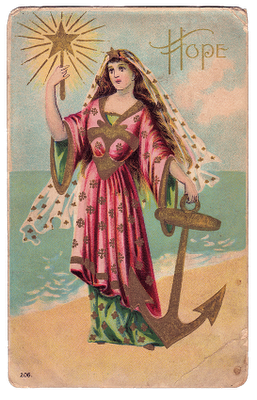 Endometriosis is one of the most common complaints I come across with my female patients seeking fertility support. Typically it occurs in ten percent of women but for those with fertility challenges endometriosis is thought to be the culprit almost fifty percent of the
time. Symptoms are typically related to pelvic pain; pain with periods, pain with intercourse, vague abdominal pain, and pain with bowel movements. Although it has a hereditary trend, some women do not know they have the condition until faced with challenges when trying
to conceive.
Endometriosis is thought to occur during fetal development when cells from the inner lining of the uterus migrate, or are misplaced, elsewhere
in the body. Most often these cells end up in the pelvic cavity between the uterus and the rectum, but they have been discovered in other location such as the lungs, brain, and nasal passages. Many women start the birth control pill at a young age due to the
symptoms related to endometriosis, such as the aforementioned pain, and irregular, unpredictable cycles. More often than not, these women's cycles are "regulated" on the pill and are then faced with the
return of symptoms when they discontinue the birth control pills in an
attempt to conceive.
As a naturopathic doctor my treatment goal is to help relieve symptoms
while seeking to address the underlying cause of disease. With
endometriosis this involves addressing the pain caused by
inflammation. Usually the most effective way to reduce overall
inflammation in a person’s entire system to identify and remove food
sensitivities, and to switch foods high in arachadonic acid with those
high in omega three fatty acids. The most common denominator in the
above food equation is the moderation or complete removal of foods made
from cow's dairy. Approximately fifty percent of adults have at least
some degree of dairy intolerance, and dairy foods are also high in
pro-inflammatory fats; aracahadonic acid. Replacing some dairy foods
with hemp milk, flax oil, and chia seeds is one way to tip the
inflammation scales in your favor.
Another common treatment goal with endometriosis is to balance the
immune system. Endometriosis does have an autoimmune component as many
women who are tested have self versus self antibodies. Coincidently
removal of food sensitive’s can help with immune system balance, as
can my three all around favorite supplements; probiotics, fish oil,
and vitamin D. Another important component of immune regulation is
stress management. The physical pain of endometriosis can cause
depression and anxiety, combined with the disappointment of fertility
challenges, it can be challenging for women to move through without
some periods of high tension. Breathing techniques, mind-body
awareness and gentle exercises can help with stress management, and thus balance of the stress hormone cortisol.
As pain relents, stress relents, and the immune system
appears to be more balanced we may also have to employ natural
hormone support to regain regular monthly cycles. Here, the brassica family of foods such as broccoli, cabbage, cauliflower and Brussels sprouts can help to balance female reproductive hormones. Herbal medicines such as chaste tree berry, dong qaui and false unicorn root
can also be very helpful. Acupuncture and traditional Chinese herbal blends
are an effective choice for regulating hormones, relieving pain, and
increasing blood circulation to the pelvic region.
All of these natural approaches to endometriosis treatment can be used
on their own or in combination with conventional treatments such as
surgery, clomid, IUI and In vitro fertilization. I would suggest
arranging a consult with myself (or another naturopathic doctor) before starting any of the nutritional or herbal treatments described above, to ensure safety and efficacy. Women are so often times doubtful when I tell them their periods do not have to be painful, and amazed when this becomes their actuality.
to conceive.
Endometriosis is thought to occur during fetal development when cells from the inner lining of the uterus migrate, or are misplaced, elsewhere
in the body. Most often these cells end up in the pelvic cavity between the uterus and the rectum, but they have been discovered in other location such as the lungs, brain, and nasal passages. Many women start the birth control pill at a young age due to the
symptoms related to endometriosis, such as the aforementioned pain, and irregular, unpredictable cycles. More often than not, these women's cycles are "regulated" on the pill and are then faced with the
return of symptoms when they discontinue the birth control pills in an
attempt to conceive.
As a naturopathic doctor my treatment goal is to help relieve symptoms
while seeking to address the underlying cause of disease. With
endometriosis this involves addressing the pain caused by
inflammation. Usually the most effective way to reduce overall
inflammation in a person’s entire system to identify and remove food
sensitivities, and to switch foods high in arachadonic acid with those
high in omega three fatty acids. The most common denominator in the
above food equation is the moderation or complete removal of foods made
from cow's dairy. Approximately fifty percent of adults have at least
some degree of dairy intolerance, and dairy foods are also high in
pro-inflammatory fats; aracahadonic acid. Replacing some dairy foods
with hemp milk, flax oil, and chia seeds is one way to tip the
inflammation scales in your favor.
Another common treatment goal with endometriosis is to balance the
immune system. Endometriosis does have an autoimmune component as many
women who are tested have self versus self antibodies. Coincidently
removal of food sensitive’s can help with immune system balance, as
can my three all around favorite supplements; probiotics, fish oil,
and vitamin D. Another important component of immune regulation is
stress management. The physical pain of endometriosis can cause
depression and anxiety, combined with the disappointment of fertility
challenges, it can be challenging for women to move through without
some periods of high tension. Breathing techniques, mind-body
awareness and gentle exercises can help with stress management, and thus balance of the stress hormone cortisol.
As pain relents, stress relents, and the immune system
appears to be more balanced we may also have to employ natural
hormone support to regain regular monthly cycles. Here, the brassica family of foods such as broccoli, cabbage, cauliflower and Brussels sprouts can help to balance female reproductive hormones. Herbal medicines such as chaste tree berry, dong qaui and false unicorn root
can also be very helpful. Acupuncture and traditional Chinese herbal blends
are an effective choice for regulating hormones, relieving pain, and
increasing blood circulation to the pelvic region.
All of these natural approaches to endometriosis treatment can be used
on their own or in combination with conventional treatments such as
surgery, clomid, IUI and In vitro fertilization. I would suggest
arranging a consult with myself (or another naturopathic doctor) before starting any of the nutritional or herbal treatments described above, to ensure safety and efficacy. Women are so often times doubtful when I tell them their periods do not have to be painful, and amazed when this becomes their actuality.
Saturday, 22 February 2014
Breast Screening update
I've had a few inquiries since the Canadian National Breast Cancer Screening Study was published in the British Medical Journal, my colleague and mentor Sat Dharam Kaur has shared the commentary on the study as well as her breast screening recommendations, please email :satdharamkaur@gmail.com if you would like to be added to the healthy breast ezine mailing list.
I agree with her recommendations taking into consideration each persons own unique clinical history. If you are interested in having a baseline thermograph taken The Pear Tree is hosting a clinic on June 10th please inquire with: www.medthermonline.com for more information.
From Dr. Kaur's Ezine:
If you didn't see it, the results of the Canadian National Breast Cancer Screening Study were published in the British Medical Journal on Feb 10, 2014. This important study of almost 90,000 women ages 40-59 from across Canada revealed that the number of women who died from breast cancer was the same whether women received screening mammograms annually for 5 years or had annual physical breast exams alone. During the five-year screening period, 666 invasive breast cancers were diagnosed in the women who were screened using mammography, while 524 were found in those receiving physical breast exams. Both groups received the usual medical treatment for breast cancer. Out of all of these women, 180 in the screening mammogram group and 171 of the women in the physical exam group died of breast cancer during the 25 year follow-up period. The conclusion - early detection through mammography did not reduce deaths due to breast cancer. So what are we to do?
Dr. Kaur's Guidelines for Screening
1. Women over 20 years of age should practice monthly breast self-exams
2. All women over 20 years of age and especially women with a family history of breast cancer should have an annual clinical breast exam
3. If you are over 20 and under 50, have an annual screening thermogram. Use mammogram, ultrasound, MRI and/or biopsy to explore any irregular thermogram results
4. If you: a) have a strong family history of breast cancer; b) have been on the birth control pill or hormone replacement therapy for over 5 years; c) or have other increased risk factors - have an annual thermogram, ultrasound, MRI and clinical breast exam. Use mammography when necessary to confirm a diagnosis or if there is a lump.
5. If you are over 50, have an annual thermogram, clinical breast exam and use mammography, ultrasound, MRI and biopsy as needed if you discover a lump
Click here for more guidelines for breast cancer screening.
Thursday, 13 February 2014
Chicken Soup for your Gut!
 The possibility of food
sensitivities being the cause of digestive distress is something we naturopathic doctors have focused on for years. When helping a patient, or the parent of a pediatric
patient, discover the underlying cause of any ailment or disease, we usually
look to nutrition and the function of the digestive system for clues. The more
we learn about pro-biotics and the mind body connection, the easier it is to
illustrate that a “gut feeling” or “butterflies in the stomach”. Colloquialisms
such as these have been drawing the
connection between intestinal and mental health, for generations. This is a
connection that science is helping to further define as research continues in
the area of gastrointestinal influences on other body systems, such as immunity
and the central nervous system.
The possibility of food
sensitivities being the cause of digestive distress is something we naturopathic doctors have focused on for years. When helping a patient, or the parent of a pediatric
patient, discover the underlying cause of any ailment or disease, we usually
look to nutrition and the function of the digestive system for clues. The more
we learn about pro-biotics and the mind body connection, the easier it is to
illustrate that a “gut feeling” or “butterflies in the stomach”. Colloquialisms
such as these have been drawing the
connection between intestinal and mental health, for generations. This is a
connection that science is helping to further define as research continues in
the area of gastrointestinal influences on other body systems, such as immunity
and the central nervous system.
If you follow this column and those
written by my naturopathic colleagues you’ll know that food sensitivities can
account for a myriad of symptoms; IBS, reflux, headaches, eczema, joint pain,
depression, ADD, etc. Once a food sensitivity is identified and eliminated, improvement
can be seen as early as the next 72 hours, while in some cases it can take
weeks or months to really see a reversal of symptoms. To identify food
reactions, several different routes may be taken, your ND may have you keep a
diet diary, do an elimination diet, or take blood samples to test your
immunoglobulin levels in response to common food allergens.
There are many nutritional and
herbal supplements available to help support the recovery of the
gastro-intestinal tract once you have successfully identified and eliminated culprit
foods. Some foods are easier to digest and generally better tolerated by the
majority of the population, traditional bone broth is one such well tolerated “medicinal
food”. Most traditional cultures use chicken broth as a base for their staple
comfort and/or celebratory soup. Acadian Fricot, Russian Borscht, motzah ball
soup, wanton soup, etc are some well known examples. Based on the work of
nutritional healers such as Dr. Sidney Hass’ and Elaine Gottschall Specific
carbohydrate diet, Sally Fallon’s Nurishing
traditions, and Dr. Natasha Campbell-Mc Bride’s Gut and Psychology syndrome bone broth has recently made a comeback,
and has re-gained the status of somewhat of a super food in nutritional
medicine circles.
Simmering bones for a long duration
at a low temperature helps to release minerals from the bones, gelatin from the
bones and connective tissues, and possibly even immune factors from the inner
marrow of the bone. The gelatin is especially important in terms of
gastrointestinal healing and rejuvenation. The released nutritional factors help
to soothe inflammation and re-build the inner lining of the digestive tract. During
a time of dietary elimination and healing it is advisable to include bone broth
as a staple in your nutritional plan, one cup taken three times per day with
meals. It can also be taken as a supplement during times of acute illness or
recovery from illness.
Adding bone broth to your winter
diet, particularly if you suffer from any digestive complaints, is something I
would recommend for anyone who is not meat sensitive. If you need help to sort
out what is the underlying cause of your individual digestive disease or
discomfort, please call me to book an appointment.
Chicken Bone Broth
Ingredients:
- 2-3 organic or naturally rise chicken carcasses( available from; Springbrook farms, dolma food, Bunnet farms)
- Water to cover the carcasses
- 8-10 peppercorns
- 2-3 tablespoons apple cider vinegar
- Herbs/ spices to taste
Instructions
- Simmer for 2-3 hours
- Strain and discard bones and peppercorns
- Do no skim fat.
- Drink warm or at room temperature as is, or use as a base for soup or other dishes.
- Enjoy!
Sunday, 19 January 2014

Wednesday, 15 January 2014
Shoo Flu!

I’ve been getting a fair number of inquiries lately into what people can do to avoid this winter’s potential influenza epidemic. The media craze, once again, has us locked in fear of what this winter’s viral onslaught will bring our way.
Like any other time, as with any other microbe, hand washing is crucial. Simple right? This also involves teaching our little ones to keep our “mouths to ourselves”, sneeze into our arm and wash our hands before and after nose picking. All this hand washing leaving your hands dry and cracking? Pure coconut oil is a fantastic moisturizer and it also has anti-bacterial properties. I poured some melted coconut oil into a small glass jar and now carry it in my diaper bag (incidentally, it makes a great diaper cream too).
Like any other time, as with any other microbe, keeping our resistance up through healthy eating is crucial. Refined sugar has a direct immune suppressing effect, while local raw honey has immune supporting and any anti-microbial properties, choose your “sweet” accordingly. I always find myself preaching about eating tons of natural colors and this time of the year is no expectation. If you like to eat “seasonally” and locally choose beta carotene rich carrots, mineral rich beets and flavenoid laden frozen blueberries. If your culinary desires reach past the confines of our local yield; go for those rich yellows and oranges; sweet potatoes, mangoes, bells peppers and many other fruits and vegetables are all high in beta carotene the precursor to vitamin A, the vitamin which is so crucial for keeping the linings of our noses, throats and lungs ready to “fight”. Garlic, onion, and ginger are also fantastic fare for winter immune health. A quick home remedy for the beginning of cold or flu symptoms is a grated clove of garlic and a “finger” of fresh ginger steeped in hot water with honey.
There are many botanical medicines in the Naturopathic Doctors tool chest to help support the immune system all winter long, as well as those that have specific ant viral and anti-influenza properties. The Chinese herb astragalus is an excellent herb that can be used safely all winter long to keep the immune system strong in kids and adults alike. Echineacea is another well known herb, well know because of its immune supportive and direct anti-viral actions. Elderberry is a wild herb that grows locally here in New Brunswick, it has garnered a lot of attention due to a study that demonstrated it’s ability to prevent H1N1 infection of cells in vitro with effectiveness comparable to the pharmaceutical Tamiflu (Phytochemistry. 2009 Jul;70(10):1255-61).
Naturopathic Medicines and home hygiene practices may reduce your chances of contracting the flu, and the aforementioned Naturopathic protocols should help your flu experience to be more brief and mild, should you be one of this winter’s viral hosts. Please visit your Naturopathic Doctor for a more personalized approach to keeping your immune system healthy during this winters battle with the flu.
Friday, 10 January 2014
She Let Go
Gurmukh Kaur Khalsa shared this on her blog (http://www.goldenbridgeyoga.com/) some time ago, I printed it up and it's now hanging in my office, it speaks to me & many of the women who pass through my clinic door.

She Let Go
By Rev. Safire Rose
She let go
She let go. Without a thought or a word, she let go.
She let go of the fear. She let go of the judgments. She let go of the confluence of opinions swarming around her head. She let go of the committee of indecision within her. She let go of all the ‘right’ reasons. Wholly and completely, without hesitation or worry, she just let go.
She didn’t ask anyone for advice. She didn’t read a book on how to let go. She didn’t search the scriptures. She just let go. She let go of all of the memories that held her back. She let go of all of the anxiety that kept her from moving forward. She let go of the planning and all of the calculations about how to do it just right.
She didn’t promise to let go. She didn’t journal about it. She didn’t write the projected date in her Day-Timer. She made no public announcement and put no ad in the paper. She didn’t check the weather report or read her daily horoscope. She just let go.
She didn’t analyze whether she should let go. She didn’t call her friends to discuss the matter. She didn’t do a five-step Spiritual Mind Treatment. She didn’t call the prayer line. She didn’t utter one word. She just let go.
No one was around when it happened. There was no applause or congratulations. No one thanked her or praised her. No one noticed a thing. Like a leaf falling from a tree, she just let go.
There was no effort. There was no struggle. It wasn’t good and it wasn’t bad. It was what it was, and it is just that.
In the space of letting go, she let it all be. A small smile came over her face. A light breeze blew through her. And the sun and the moon shone forevermore.
Wednesday, 4 December 2013
Food Fight or Flight a few steps towards coping with stress through better nutrition......

My colleagues and I were recently invited to participate in
a health focused evening at youth Quest Central in Downtown Moncton. We were
very impressed with the youth’s participation in a health challenge for the
month of November and hope that they will continue to find ways to improve
their nutrition, activity level and find more and more ways to cope with stress. We all have different thresholds for stress, some determined by our
genetics, life events, coping habits and other illness. The area I choose to
focus on, in my discussion with the youth and staff at Youth Quest was how
nutrition, and eating more healthfully can influence your ability to cope with
all of life's stress.
The holiday season present a “double whammy”, adding more
stress, while simultaneously presenting more opportunities to run a muck with
our dietary choices. I've decided to pass along what I shared with the group
for the benefit of anyone who is interested.
Eating mindfully is my number one suggestion for a dietary
approach to coping with stress. This simply means trying to make meal times
regular and relaxing. Simply put, don’t eat while driving, working or watching
stressful TV. When our adrenaline is pumping our body diverts blood to the
muscles in our limbs versus our digestive systems. Taking 10 deep breaths,
giving prayer or thanks for our meals and chewing slowly and carefully can take
some of our digestive stresses away, and increase a sense of well being. If
we’re meditative while we eat, we sneak in three or more daily relaxation
sessions by default. Simple Change: Take
a minute before you eat to focus on being thankful for the food you are about
to enjoy.
Trying to balance starches and sugars with protein is also
important for stress and coping. If we load our blood with easily absorbed
starch (refined breads/ cereals) and/ or sugar our body responds by releasing
insulin. Insulin is the hormone which helps sugar out of the bloodstream and
into the cells for storage or energy. If we overdo the sugar, the insulin
responds and we can get reactive low blood sugar leaving us feeling dopey,
stressed and looking for more sugar. Thus, the cycle repeats adding more stress to our
system as we go. Protein, on the other hand increases the release of a hormone
called glucagon from the liver, which helps to balance the influence of insulin
on blood sugar levels. Making sure we get adequate protein throughout the day
can help to balance out the physiological (and often times emotional) highs and
lows from our daily dietary habits.
Protein is broken down to amino acids for absorption into
the blood stream, amino acids serve as the precursors for our neurotransmitters
which help to balance mood and stress perception in our brain and central
nervous system. Meat, nuts, beans, eggs, green peas and most seeds are all
examples of good sources of dietary protein when eaten as whole foods (from
organic sources whenever possible). Simple
Change: carry toasted pumpkin seeds in your backpack/ purse/ brief case, enjoy
a handful whenever your meal or snack falls short on protein.
It’s become a natural reflex in our society to grad a coffee
to start the day, and another to keep going, and another if we’re slugging
behind. Coffee is a fantastic herb, it’s a bitter stimulant of digestive
juices, it increases our focus, and research shows it can help keep blood sugar
levels more stable, but as my mother’s proverb says “too much of a good thing
is good for nothing”. Coffee stimulates the release of adrenaline from our
adrenal glands, simulating physiological stress. Occasionally this can be a
good thing resulting in some of the benefits mentioned above. However, drinking
highly caffeinated beverages throughout the day can place you into the “fight
or flight” mode, even when external stress is at a minimum. Overtime all
this stress can start to wear out our adrenaline response (notice how your not
as sensitive to coffee as you used to be, so now you need more?). This higher
amount of adrenaline release can theoretically deplete key co-factors like
certain b vitamins and minerals (especially magnesium) from our systems,
increasing the need for supplementation. Simple
Change: Limit your caffeine intake to approximately 80 mg per day, less if you
are very caffeine sensitive; choose green tea or herbal tea as alternative
lower or caffeine free choices.
These three simple changes are meant to be illustrative examples
of how we eat, and what we eat affecting our coping mechanisms and the levels
of perceived and actual stress in our systems. By no means is this a complete
list, and if your stress levels are high, were high for an extended period in
the past, you would likely benefit from more personalized and intensive dietary
and whole system naturopathic care. Helping people to find balance in a
stressful time is an area that we, as naturopathic doctors flourish. Stress has
been linked to so many serious illnesses it’s important to start with simple
steps towards prevention as soon as possible. Try thanks-giving, pumpkin seeds and green tea
this week, to move three simple steps closer to your inner Zen.
Wednesday, 23 October 2013
Prevention of Nature Deficit Disorder

Recently I sat down with my colleagues from the Pear Tree Naturopathic Clinic to discuss concepts of natural beauty. We collectively looked beyond the physical aspects of self image; to the deeper qualities of self care, self acceptance and self expression. When I reflected later about where I see beauty fitting into my practice, I found myself back where I most often admire beauty; in nature herself.
I truly believe that my love and appreciation for nature led me to this medical profession, which was founded in nature cure. Nature cure being the use of water, foods, and exercise to bring a person back to health. I recognize within myself a deep personal need for daily exposure to green spaces, water vistas and “fresh air”.
Thereby the concept brought forth in Richard Louv’s book, Last Child in the Woods, is very one close my heart. It discusses how being overly “plugged in” has isolated us from the wonderful benefits we receive by being close to nature, and how some people have adapted very well to the electronic era, whereas others suffer from the effects of “nature deficit disorder”.
Nature-deficit disorder is not a medical condition; it is a description
of the human costs of alienation from nature. This alienation
damages children and shapes adults, families, and communities.
There are solutions, though, and they’re right in our own backyards.
The following is a list of ten things you can do with your family to spend time fostering an appreciation for nature, the list was originally published at www.education.com, however I’ve added a little local content.
1. Be a role model!
Remember, children will get excited about something when you are genuinely excited about it, too! Model the behavior you want your children to emulate. Demonstrate your own curiosity about nature sharing what you love to do in the outdoors with your kids. You can model respect for nature through simple everyday activities like recycling and not littering. Sharing your natural interests is the best motivation a child can have to participate.
Remember, children will get excited about something when you are genuinely excited about it, too! Model the behavior you want your children to emulate. Demonstrate your own curiosity about nature sharing what you love to do in the outdoors with your kids. You can model respect for nature through simple everyday activities like recycling and not littering. Sharing your natural interests is the best motivation a child can have to participate.
2. Plan a monthly or weekly surprise outdoor adventure!
Every Sunday, or once a month, plan a surprise outdoor trip with your kids. You could go to your local river, beach, forest, nature preserve, or city park! Planning surprise family fun time builds kids’ excitement for the next adventure, and helps demonstrate how you value your time with them.
3. Organize a monthly outing with your child’s school/ day care.
Be the parent who plans the monthly outing with families in your child’s class. Exploring the great outdoors can be easier and closer than you think. Trips can include the beach, hiking on the Dobson trail, national parks, or fishing. Do some research on beautiful areas near you. Build community with your child’s class and instill in them a love of nature.
4. Follow the AAP’s guidelines and limit TV and video games to 1-2 hours a day!
The
5. Take a daily or weekly walk together as a family after dinner.
In the evenings after dinner, go for a nice family stroll with your kids. A walk around the neighborhood, saying hello to neighbors, pointing out flowers or birds, and catching up on the days’ events is a great way to spend quality time with your kids outside and get a little exercise together.
6. Register your child for an outdoor summer camp.
There are hundreds of great outdoor camps that your child can attend across the country or in your region. Give them a dose of the outdoors, a chance to make new friends, and fall in love with nature during summer vacation next year. Some accredited camps cost as little as $75 per week.
There are hundreds of great outdoor camps that your child can attend across the country or in your region. Give them a dose of the outdoors, a chance to make new friends, and fall in love with nature during summer vacation next year. Some accredited camps cost as little as $75 per week.
7. Go camping!
Provincial and national parks are being used less and less every year. Grab your tent, sleeping bag, and camp stove and teach your child how to camp! Camping in national parks is a great cost-effective family vacation that can be fun and educational. Go out and enjoy local parks or take a road trip and discover national treasures around the country.
8. Plant a garden.
Plant a vegetable, flower or herb garden in your backyard, at your child’s school, or take part in an urban community garden plot. School or home food gardens teach kids how to be smart about nature, nutrition, and make better food choices. Take advantage of whatever small amount of outdoor space to which you have access and experiment with a vegetable, herb, or plant garden. It’s a great way to learn about nature alongside your children and get your hands dirty in rich soil.
9. Buy a field guide.
Field guides make every walk in the park an educational experience! A good quality field or nature guide helps you name and identify what you find outside. Guides can teach you about the favorite foods of the animals or the flowering and fruiting times of plants. That walk around the block can become an educational experience for you and your children, my favorites include Merrit Gibsons Bird watching, Summer Nature notes for Nova Scotians SEASHORES by merit Gibson, Wildflowers of NS, NB and PEI by Mary Primrose & Marian Munro.
10. Link up with a nature lover’s organizations!
Moncton Outdoor enthusiasts
New Brunswick
Children and Nature Network
Boy Scouts
Girl Scouts
Outward Bound
Wildlife Conservation Society
Earth Explore Adventures
National Audubon Society
Into the Outside
Ecological Literacy Program
Geography Action
Sierra Club
The Society for Amateur Scientists
National Environmental Directory
10. Link up with a nature lover’s organizations!
Moncton Outdoor enthusiasts
Children and Nature Network
Boy Scouts
Girl Scouts
Outward Bound
Wildlife Conservation Society
Earth Explore Adventures
National Audubon Society
Into the Outside
Ecological Literacy Program
Geography Action
Sierra Club
The Society for Amateur Scientists
National Environmental Directory
I wish you and your family great times together as you rediscover the beauty & bounty nature has to offer us all. More time spent outdoors will equal more time spent growing in good health.
Thursday, 17 October 2013
Khalsa Way Pregnancy Yoga- new session starting soon!
Khalsa Way® Pregnancy Yoga
with Blossom Bitting ND
.jpg)
Wednesdays 5:15pm
6 week session
November 13th-December 18th
Dance Breathe Practice Meditate
When it comes to pregnancy and childbirth, nothing can prepare
a woman's body, mind and spirit better than
The Khalsa Way® pregnancy yoga.
Learn techniques that will help to bring comfort through all stages
of the prenatal period; conception, pregnancy, birth and beyond.
for all levels of practice.
Please call to register, space is limited
857-1300
Fee: $75 for 6 week session or $15 per class drop-in
Pear Tree Clinic & Yoga Loft 1067 Champlain St Dieppe
Subscribe to:
Posts (Atom)